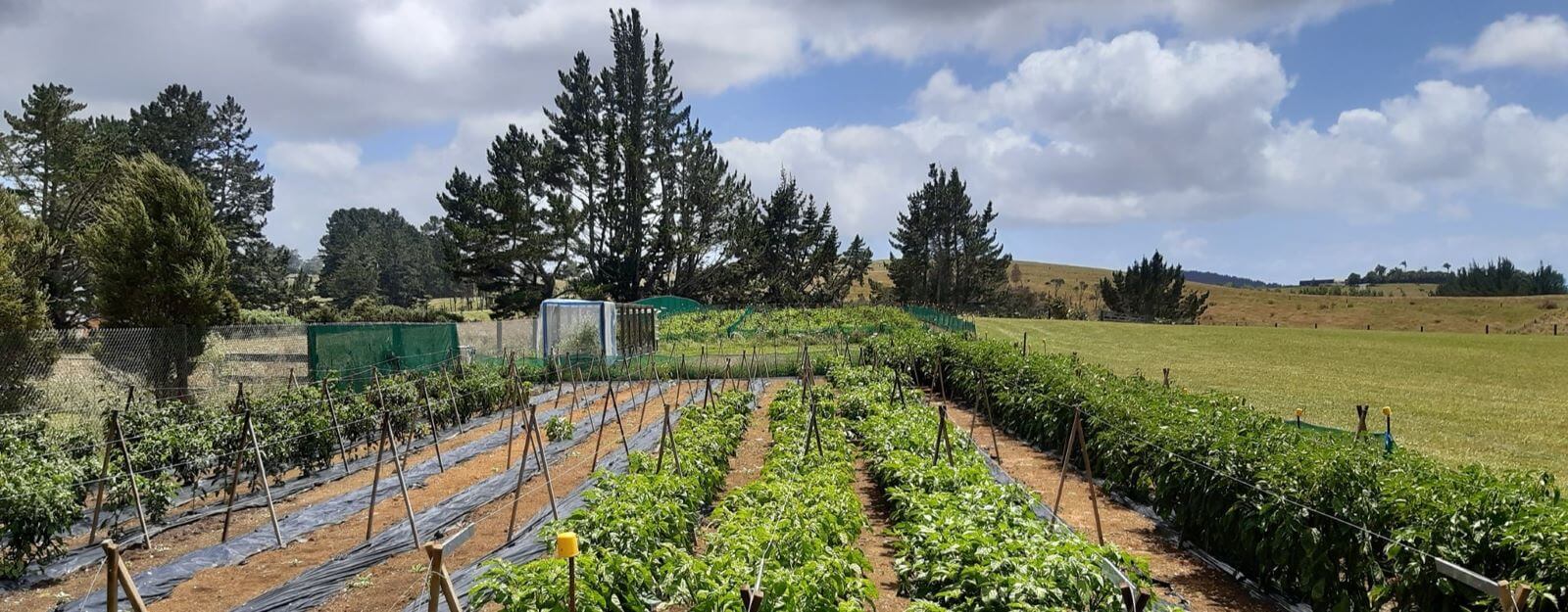
Chilli Variety Information and Schoville Scale ratings

To order seeds email order to info@firedragonchillies.co.nz


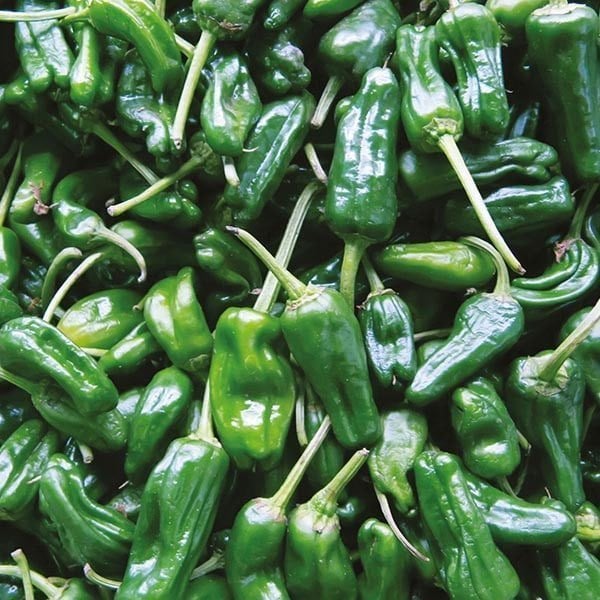
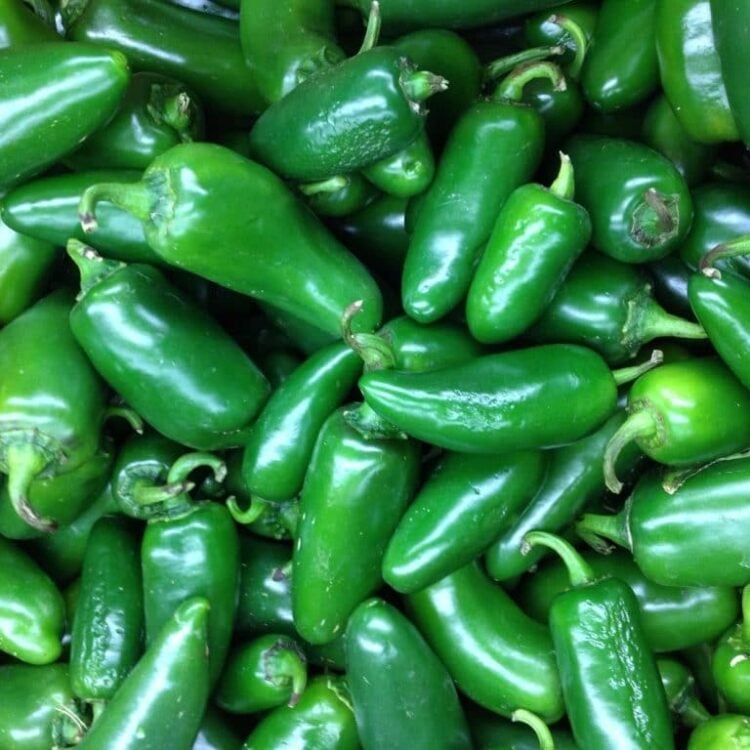
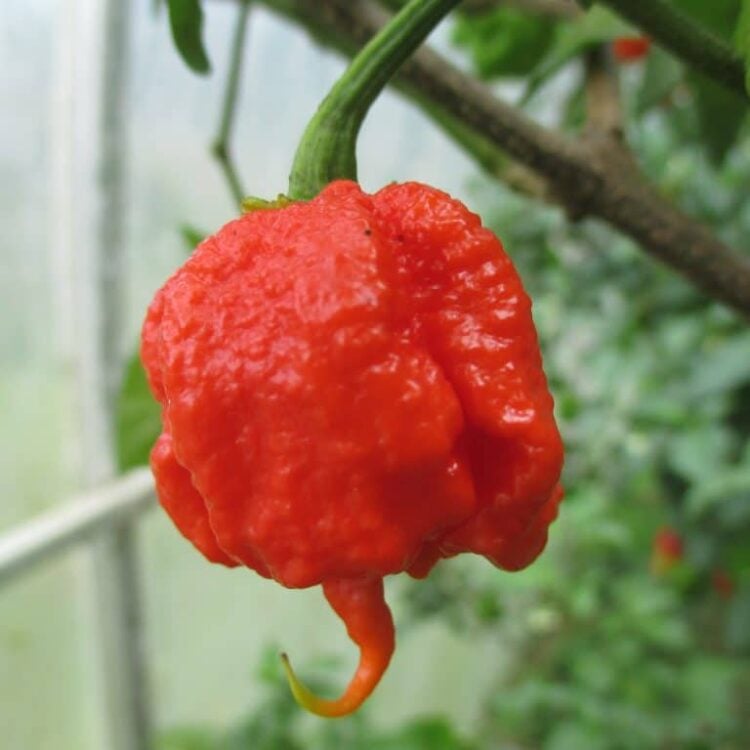
Photo Chilli Type Species Origin Heat Schoville Units Seeds Available
   Aji Dulce Chinense Venezuela Mild 3 500-1,000 N
Jalapeno Annum Mexico Medium 5 2000-8,000

Y

15 seeds $5

   Inferno Annum USA Medium 5 6,000 N
Bolivian Rainbow Annum Bolivia Medium 5 7-15,000

Y

12 seeds $7

Cayenne Unknown Mexico Hot 6-7 20-50,000

Y

12 seeds $5

Thai Bird Eye Annum Thailand Hot 6-7 20,000 N
Firecracker Annum Not sure Hot 6-7 20-40,000 N
Coban Annum Guatemala Very Hot 8 50-60,000

Y

15 seeds $8

   Cobanero Baccatum Guatemala Very Hot 8 60-80,000 N
Caballo Pubescens Guatemala Very Hot 8-9 80-180,000

Y

12 seeds $8

   Rocoto/Manzano Pubescens Peru Very Hot 8-9 80-200,000

Y

12 seeds $8

Scotch Bonnet Big Sun Chinense Africa Super Hot 9-10 100-250,00

Y

15 seeds $10

Fatalli Chinense Africa Super Hot 9-10 120-280,000

Y

15 seeds $12

Orange Habanero Chinense Unknown Super Hot 10 200-487,672 N
Golden Habanero Chinense Unknown Super Hot 10 250-450,000 N
   Chocolate Habanero Chinense Jamacia Super Hot 10 300-450,000 N
Carribean Red Habanero Chinense Mexico Super Hot 10 300-530,283

Y

15 seeds $10

Bhuty Habs Chinense New Zealand Super Hot 10+ 300-800,000?

Y

15 seeds $15

Naga Morich Chinense India INSANE 10++ 923,000

Y

12 seeds $15

Bhut Jolokia Chinense Bangladesh INSANE10+++ 1,001,304

Y

12 seeds $15

Bih Jolokia Chinense India / Bangladesh INSANE10+++ 1,041,427

Y

12 seeds $15

Congo Black Habaneros        

N

Yellow Bhut Jolokia        

N

Chocloate Bhut Jolokia        

N


Chilli Heat Index/Schoville Scale

The Scoville Organoleptic Test was invented by a pharmacist, Wilbur L. Scoville, in 1912 while working in Parke-Davis Pharmaceutical Company. The Scoville scale is used to determine the pungency (heat) of the chilli.

Basically, the pungency of the chilli depends on the location in which chilli is grown and the genetic structure of the chilli. The pungency of the chilli is due to the capsaicin, a chemical compound found mainly in the placenta of the chilli. Capsaicin stimulates the nerve endings in the tongue and mouth which transmits to the brain making the body release endorphins which give you a feeling of well being. 

Wilbur Scoville tried many different methods to measure the pungency of the chilli, but he found that the readings were not precise enough. He tried to mix the chilli extract with different chemicals but was not successful. He found that subjective tests were more successful. The tongue, being so sensitive, reacted to the pungency of the chilli. He then soaked the chilli in alcohol and found capsaicin is soluble in alcohol. 

The quantity of the soaked extract is noted. Water mixed with sugar is added to the extract and given to the human subjects to taste the sample for pungency. Usually, there are five people who taste the sample. To achieve the rating, three people out of five must agree on the taste. If there is still pungency found, then the samples are further diluted with solution of alcohol and sweetened water until there is no heat felt by the tasters. 

The Scoville test is now done by High Performance Liquid Chromatograph, a modern machine which has replaced the human tasters. This machine is very sensitive to pungency of the chilli just like the human tongue. In this method, the capsaicin is extracted from the dried and grounded chilli pods. The sample is injected to High Performance Liquid Chromatograph machine to detect the heat. It is less timeconsuming and eliminates inaccuracy

The ratio of dilution is considered as Scoville Unit. For example, the capsicum (bell) pepper has zero in the Scoville scale, a Jalapeno around 5,000 units, habanero up to 500,000 and the Bhut and Bih Jolokia can score over 1million. Given below are some of the examples for varieties of chillies: